Best Solar Panel for Industry | Alcheme Green Energy
Solar Panel for Industry: A Complete Guide
A solar panel for industry is no longer just a sustainable option—it is a strategic investment that helps industrial units reduce electricity costs, enhance operational efficiency, and support environmental sustainability. With industries consuming large amounts of electricity, rising power tariffs and unpredictable grid supply are motivating manufacturers to explore alternative energy solutions.
Industrial solar systems are designed to handle high-load operations, heavy machinery, and continuous power demand, unlike residential solar panels. They can be installed on rooftops, sheds, or open land within industrial premises to maximize sunlight exposure and energy generation.
Implementing solar panels in industrial facilities not only reduces operational costs but also improves corporate sustainability ratings and enhances brand reputation. Industries adopting solar energy can achieve long-term financial savings while contributing to environmental protection.
This comprehensive guide explores why industries are increasingly adopting solar panels, the different types of industrial solar systems, cost considerations, installation processes, maintenance, return on investment, and planning strategies to ensure maximum efficiency and profitability.
What Is a Solar Panel for Industry?
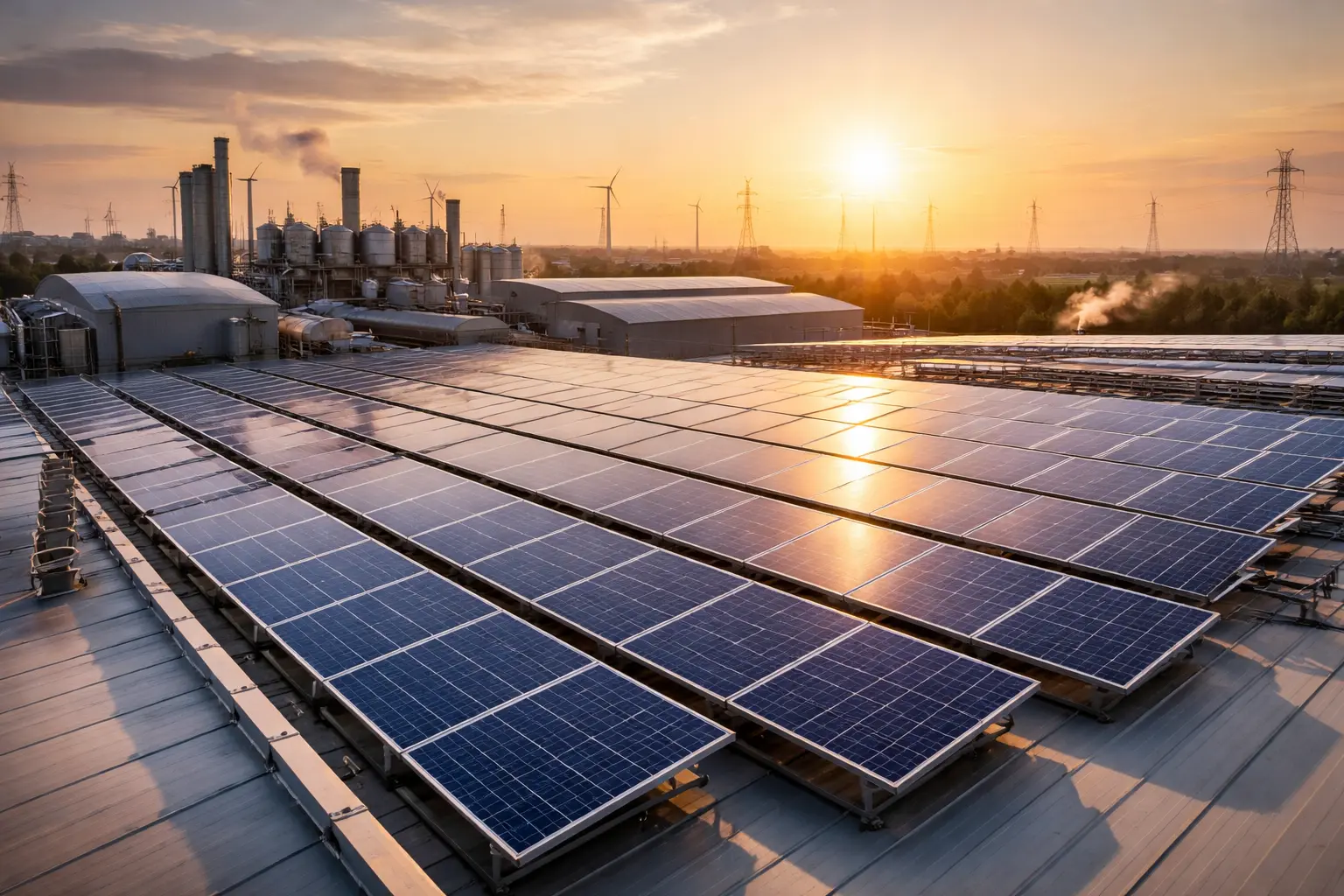
A solar panel for industry is a high-capacity photovoltaic (PV) system designed specifically for commercial and industrial electricity needs.
Unlike residential solar systems, industrial systems must handle:
- Continuous high-load operation
- Three-phase power requirements
- Heavy machinery and industrial equipment
- Large-scale energy storage and backup
These systems are typically installed on factory rooftops, open land plots, or industrial sheds, and are designed for durability and maximum efficiency.
Benefits of Solar Panels for Industry
Installing solar panels for industry offers long-term financial, operational, and environmental advantages for factories, warehouses, and manufacturing units.
- Significant Cost Savings: Industrial solar systems can reduce electricity bills by 50–80%, especially for high power-consuming units.
- Energy Independence: Solar power reduces dependency on grid electricity and protects industries from rising power tariffs.
- High ROI: Most industrial solar installations recover their investment within 3–5 years and provide free power for 25+ years.
- Uninterrupted Operations: With proper system design and optional battery backup, industries can maintain smooth operations during power outages.
- Eco-Friendly & Sustainable: Solar energy reduces carbon emissions and helps industries meet sustainability and ESG goals.
- Utilization of Idle Space: Factory rooftops and sheds can be effectively used for power generation without affecting production areas.
With increasing electricity demand and operating costs, industrial solar power has become a smart and future-ready investment for businesses.
Types of Solar Systems for Industry
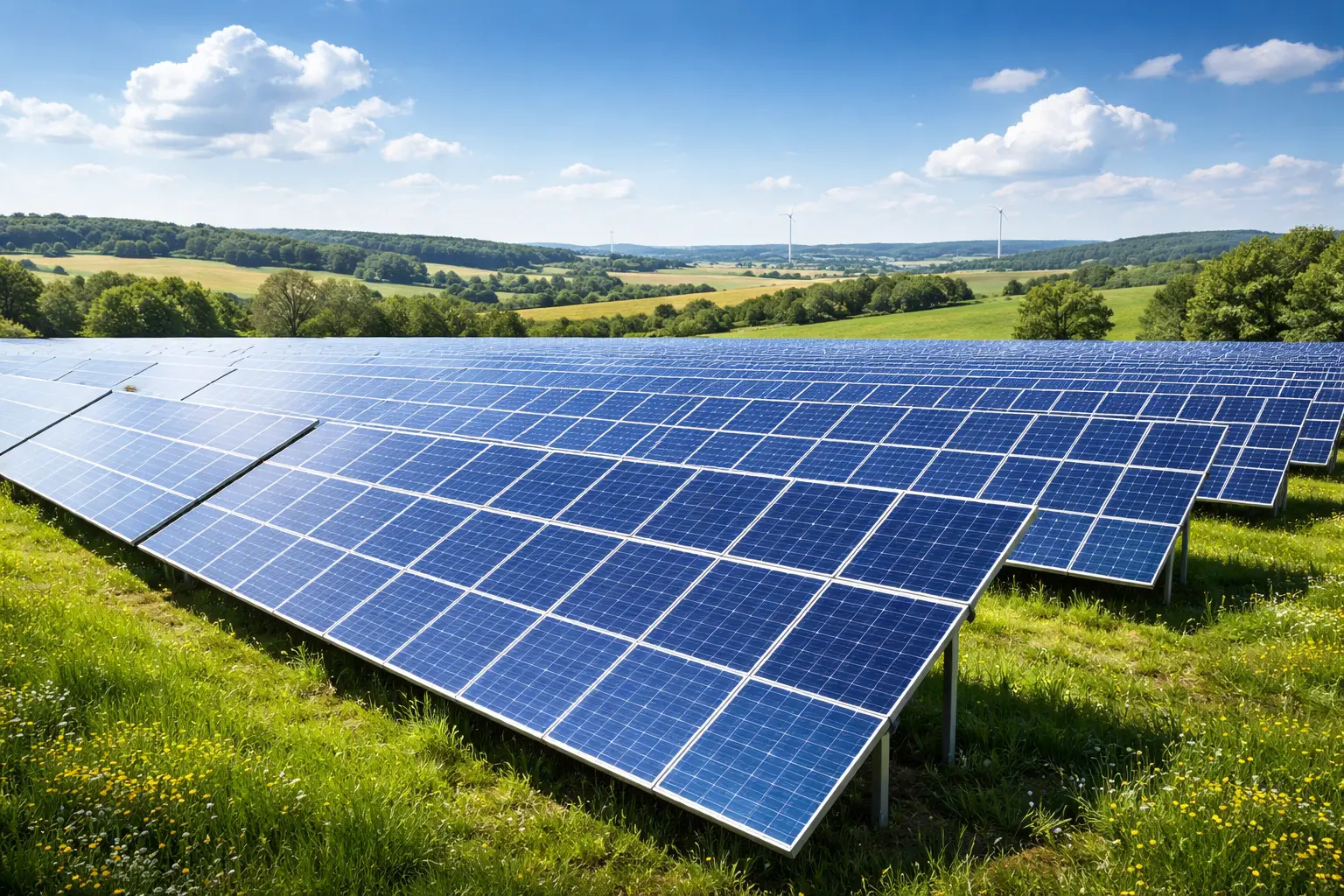
Industrial solar power systems are designed based on energy consumption, operational requirements, and grid availability. Choosing the right type of solar system for industry ensures maximum efficiency and cost savings.
On-Grid Solar System for Industry
On-grid industrial solar systems are connected to the electricity grid. These systems allow industries to use solar power during the day and draw power from the grid when required.
- Lower installation cost
- Net metering benefits available
- Best for factories with stable grid supply
Off-Grid Solar System for Industry
Off-grid systems operate independently without relying on the electricity grid. They use batteries to store excess energy for uninterrupted power supply.
- Ideal for remote industrial locations
- No dependency on grid power
- Suitable for areas with frequent power cuts
Hybrid Solar System for Industry
Hybrid solar systems combine the benefits of both on-grid and off-grid systems. They use solar panels, batteries, and grid connection for maximum reliability.
- Continuous power even during outages
- Efficient energy management
- Higher initial investment with long-term benefits
Selecting the right industrial solar system depends on load requirements, operating hours, and future expansion plans.
Maintenance of Solar Panels for Industry
Proper maintenance is essential to ensure the long-term performance, safety, and efficiency of solar panels for industry. Although industrial solar systems are designed to be durable and low-maintenance, regular care helps achieve maximum energy output and faster return on investment.
1. Regular Cleaning of Industrial Solar Panels
Dust, pollution, bird droppings, and industrial residue can reduce solar panel efficiency by up to 20–30%. Industrial areas usually experience higher dust levels, making periodic cleaning critical.
- Panels should be cleaned every 2–4 months
- Use soft water and non-abrasive brushes
- Avoid harsh chemicals that may damage panel coating
- Early morning or late evening cleaning is recommended
2. Inverter Inspection and Monitoring
The inverter is the core component of an industrial solar system. It converts DC power into usable AC electricity for machinery and equipment.
- Check inverter display for error codes or warnings
- Monitor daily energy generation reports
- Ensure proper ventilation to prevent overheating
- Schedule professional inverter servicing annually
3. Electrical & Wiring Checks
Industrial solar systems operate at high voltage levels. Regular electrical inspections are necessary to maintain safety and uninterrupted power supply.
- Inspect DC and AC cables for wear or damage
- Check junction boxes and connectors
- Ensure earthing and lightning protection systems are intact
- Prevent loose connections that can cause power loss or fire hazards
4. Monitoring System Performance
Most industrial solar plants are equipped with online monitoring systems that provide real-time performance data.
- Track daily, monthly, and yearly energy production
- Compare actual output with expected generation
- Identify performance drops due to shading or faults
- Receive alerts for system abnormalities
5. Structural & Mounting Inspection
Solar panels are mounted on industrial rooftops or ground structures. Structural stability is crucial for safety and durability.
- Inspect mounting structures for corrosion or rust
- Ensure bolts and clamps are securely fastened
- Check alignment and tilt angle periodically
- Verify roof integrity for any leakage or damage
6. Shading and Obstruction Management
Even partial shading can significantly reduce solar power generation. Industrial facilities must ensure panels receive unobstructed sunlight.
- Trim nearby trees regularly
- Remove new obstructions like tanks or chimneys
- Avoid placing materials that cast shadows on panels
7. Professional Annual Maintenance
While daily monitoring can be done internally, professional maintenance ensures optimal system health and warranty compliance.
- Complete system health check by certified technicians
- Thermal scanning to detect hotspot issues
- Performance testing and efficiency verification
- Compliance with safety and electrical standards
8. Benefits of Proper Industrial Solar Maintenance
- Maintain up to 95% peak system efficiency
- Extend panel lifespan beyond 25 years
- Prevent unexpected breakdowns and production losses
- Ensure safety for workers and equipment
- Maximize financial returns and energy savings
Regular and professional maintenance ensures that industrial solar systems deliver consistent power, protect critical operations, and provide long-term cost savings. With proper care, solar panels become a reliable energy backbone for industrial growth.
Industrial Solar Maintenance Overview
| Maintenance Activity | Recommended Frequency | Purpose | Benefits |
|---|---|---|---|
| Solar Panel Cleaning | Every 2–4 Months | Remove dust, bird droppings, and industrial pollution from panels | Improves energy generation by 20–30% and maintains peak efficiency |
| Inverter Inspection | Monthly | Check inverter display, error codes, and ventilation condition | Ensures uninterrupted power supply and prevents system downtime |
| Electrical Wiring Check | Quarterly | Inspect DC/AC cables, junction boxes, and connectors | Enhances safety, prevents power loss, and avoids fire hazards |
| System Performance Monitoring | Daily / Weekly | Track real-time energy production and system health | Identifies faults early and ensures consistent energy output |
| Structural & Mounting Inspection | Every 6 Months | Check panel alignment, mounting bolts, and corrosion | Ensures system durability and resistance to weather conditions |
| Shading & Obstruction Review | As Required | Identify shading from trees, buildings, or equipment | Maintains uninterrupted sunlight and maximum power generation |
| Professional Annual Maintenance | Once a Year | Complete system health check by certified technicians | Extends system lifespan, ensures warranty compliance, and maximizes ROI |
Regular maintenance ensures that industrial solar systems operate at maximum efficiency, deliver consistent power, and provide long-term financial savings. A well-maintained solar plant can function efficiently for over 25 years with minimal operational issues.
Frequently Asked Questions – Industrial Solar Maintenance
1. How often should industrial solar panels be cleaned?
Industrial solar panels should be cleaned every 2–4 months, especially in high-dust and industrial zones. Regular cleaning helps maintain maximum energy generation and prevents performance loss.
2. Why is maintenance important for industrial solar systems?
Proper maintenance ensures uninterrupted power supply, prevents equipment failure, improves safety, and extends the system lifespan up to 25 years or more. Well-maintained systems also deliver better ROI.
3. What happens if industrial solar panels are not maintained?
Lack of maintenance can lead to reduced power output, inverter failures, wiring issues, safety risks, and increased operational costs over time.
4. How do I monitor the performance of an industrial solar system?
Most industrial solar systems come with online monitoring software or apps. These tools allow real-time tracking of energy production, fault alerts, and system health from anywhere.
5. How important is inverter maintenance in industrial solar?
The inverter is the core component of the solar system. Regular inspection helps detect early issues, avoids downtime, and ensures smooth conversion of solar power for industrial operations.
6. Does industrial solar maintenance affect warranty?
Yes. Many manufacturers require periodic maintenance and inspection by certified professionals to keep warranties valid. Proper documentation ensures full warranty benefits.
7. Can industrial solar systems work during cloudy days?
Yes. Industrial solar panels continue generating power during cloudy days, though output may be lower. Regular maintenance ensures optimal performance even in low-light conditions.
8. Is professional maintenance mandatory for industrial solar plants?
While daily monitoring can be done in-house, annual professional maintenance is strongly recommended. Certified technicians inspect electrical safety, structural stability, and overall system efficiency.
9. How much does industrial solar maintenance cost?
Maintenance costs are relatively low compared to electricity savings. Typically, annual maintenance costs range between 1–2% of the total system cost.
10. How long does an industrial solar system last?
With proper maintenance, industrial solar systems can operate efficiently for 25–30 years, delivering long-term savings and sustainable energy.
Conclusion
Proper maintenance is essential to ensure the long-term performance and reliability of industrial solar power systems. While installing an industrial solar plant is a major step toward reducing energy costs and achieving sustainability, regular maintenance is what keeps the system operating at peak efficiency.
Routine activities such as panel cleaning, inverter inspection, performance monitoring, and electrical safety checks help prevent power loss and costly breakdowns. Industrial environments often face higher dust levels, heat, and continuous power demand, making scheduled maintenance even more critical for consistent energy generation.
By following a structured maintenance plan and engaging certified solar professionals for annual inspections, industries can extend the lifespan of their solar systems to 25 years or more. This not only protects the investment but also ensures maximum return through reduced electricity bills and uninterrupted operations.
In conclusion, industrial solar maintenance is not an optional task—it is a strategic requirement. A well-maintained solar system delivers reliable, cost-effective, and eco-friendly power, helping industries move confidently toward energy independence and long-term sustainability.